
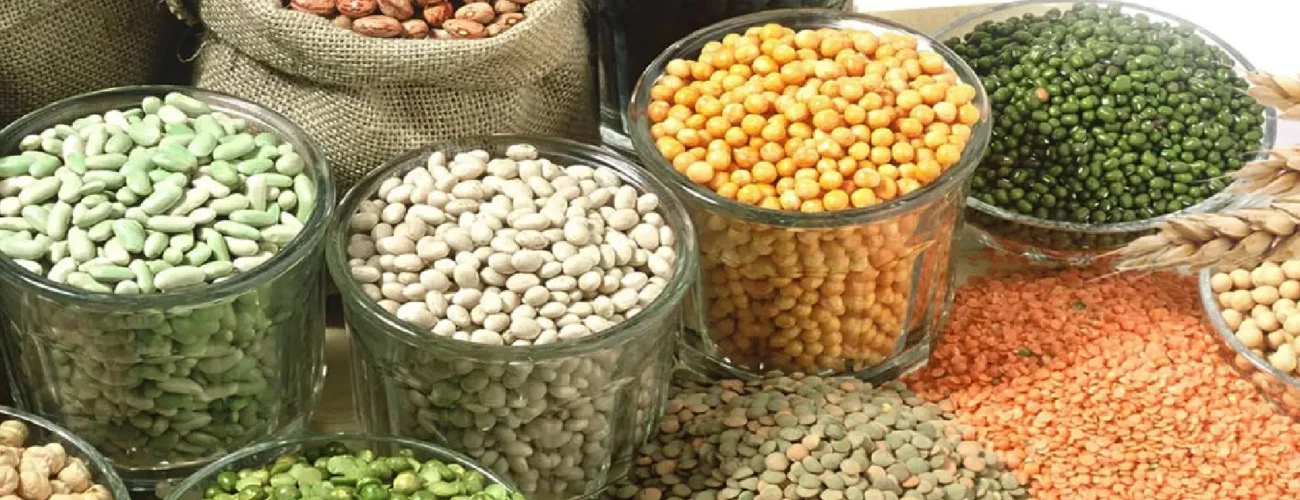
As the focus on sustainable agriculture continues to grow, pulses are becoming an important crop for environmentally responsible food production. Pulses require relatively less water compared to many other crops and naturally improve soil fertility. These characteristics make them a valuable component of sustainable farming practices and long-term food security.
Farmers benefit from cultivating pulses because they adapt well to different soil types and climatic conditions. Pulses also play a key role in crop rotation, helping restore soil nutrients and reducing dependency on chemical fertilizers. This improves land productivity and supports balanced agricultural ecosystems.
Environmental Benefits of Pulses Cultivation
Pulses contribute significantly to sustainable agriculture by supporting soil health and reducing environmental impact.
Key environmental advantages:
- Lower water requirements
- Natural nitrogen fixation in soil
- Reduced need for chemical fertilizers
- Improved soil structure and fertility
- Support for crop rotation systems
These benefits help farmers maintain productivity while protecting natural resources.
Economic Value for Farmers
Pulses offer reliable income opportunities for farming communities. Due to their adaptability and growing demand, pulses can be cultivated in various regions. They also require relatively lower input costs, making them suitable for small and medium-scale farmers.
Encouraging pulses cultivation strengthens rural economies and supports sustainable agricultural development.
Consumer Role in Sustainable Food Choices
Consumers contribute to sustainability by including pulses in their daily diets. Choosing pulses promotes demand for environmentally friendly crops and supports local agricultural communities. Pulses also provide affordable and nutritious food options for households.
As awareness increases, pulses continue to gain importance not only for their health benefits but also for their contribution to sustainable food systems.
Conclusion
Pulses play a vital role in building sustainable agriculture and responsible food supply chains. Their environmental advantages, economic benefits for farmers, and nutritional value for consumers make them an essential part of future food systems. By encouraging both production and consumption, pulses support long-term sustainability and healthier communities.